The Best Way to Wash Your Sheets for a Cleaner, Fresher Sleep: Tips from a Laundry Expert
Sheets trap sweat, oils, dead skin cells, dust mites and odors faster than most people realize, and washing them the wrong way—using too hot or too cold water, the wrong detergent, or an overloaded machine—can leave fibers damaged or soiled rather than fresh. Because bedding touches skin every night, it deserves a careful approach that balances hygiene, fabric care, and safety.
This short guide from a laundry expert explains when and how to wash your sheets and pillowcases, pick the right detergent and water temperature, treat common stains safely, dry and store linens without shrinkage or damage, and handle delicates and allergy-prone bedding. Expect straightforward, practical steps you can use for fresher, longer-lasting sheets and a cleaner night’s sleep.
Key Points
- Sort sheets by color and fabric weight, and use the hottest water safe for the fabric to ensure effective Cleaning and allergen removal.
- Use mild detergent and avoid overloading the washer to prevent residue buildup and fabric damage.
- Tumble dry on low to medium heat or air-dry delicate items, and store sheets in a cool, dry place away from sunlight to maintain freshness and prevent shrinkage.

Sort and prep sheets before washing
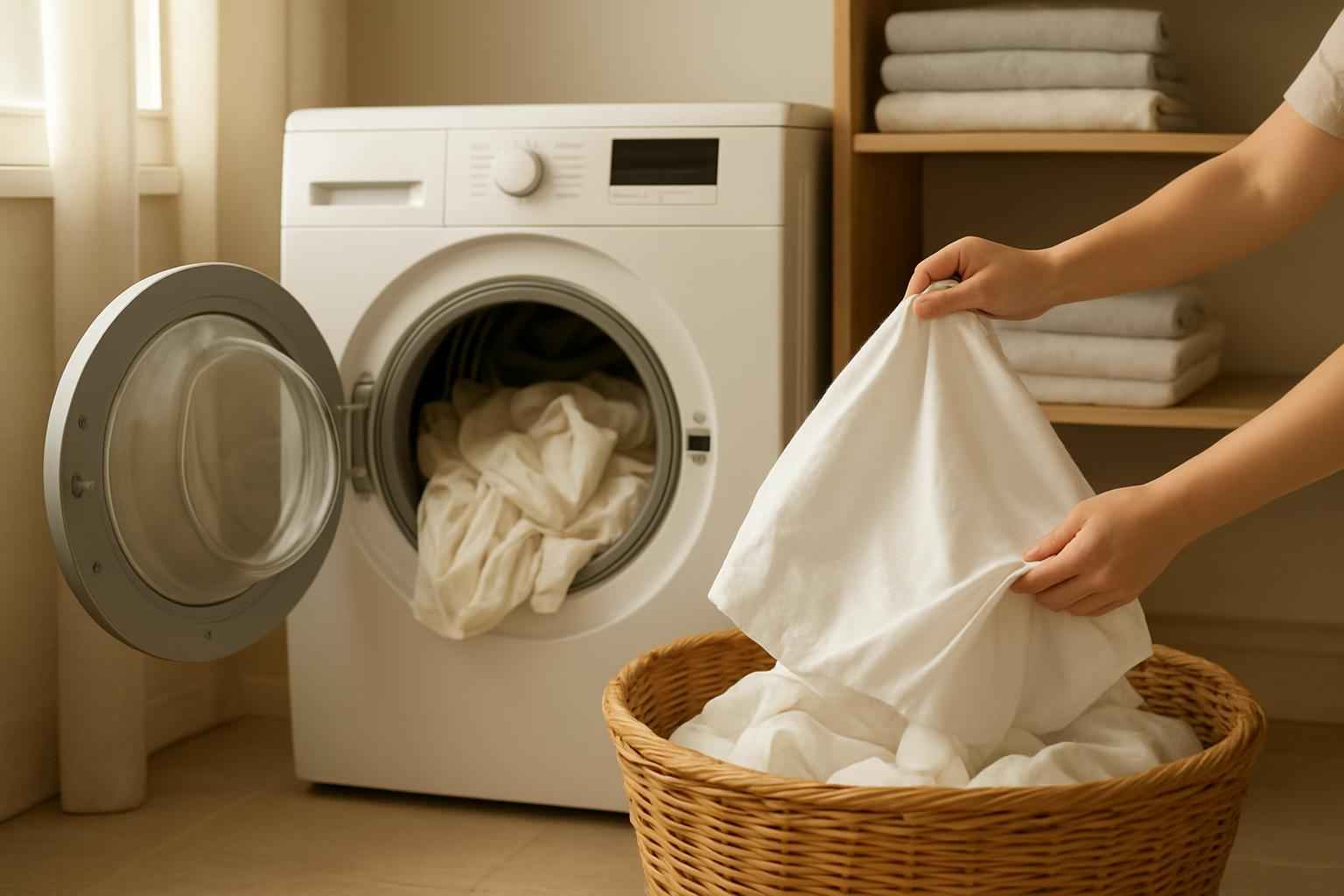
Strip beds and separate sheets and pillowcases by color and fabric weight, turning heavily soiled sides inward and closing any zippers or buttons.
Sorting prevents color transfer and lets similar fabrics wash evenly, and turning items inward reduces abrasion on visible surfaces.
Pick the right detergent and water temperature
Use a mild, well-dispersing detergent and wash in the hottest water the fabric label allows to balance cleanliness and fabric care.
Hotter water lifts oils and kills allergens better, but always check the care tag and avoid high heat on delicate fibers to prevent shrinkage and weakening.
Load and run the washer for best results
Wash sheets separately or with similar lightweight items and avoid overloading so linens can move freely and rinse thoroughly.
Proper loading ensures mechanical action cleans fibers and prevents trapped detergent residue; skip extra spin cycles on delicate blends to avoid stretching.
Treat common stains safely
Address stains promptly: rinse protein stains in cold water, apply an enzymatic pretreater for organic stains, and use color-safe oxygen bleach for set-in discoloration.
Cold rinses prevent protein stains from setting, enzymes break down biological soils effectively, and avoid chlorine bleach on colored or elastic-containing sheets to prevent fading and fiber damage.
Drying, storage, and special-care bedding
Tumble dry on low-to-medium heat and remove sheets while slightly damp for less wrinkling, or air-dry flat to protect delicate weaves; store in a cool, dry place away from direct sunlight.
Controlling heat prevents shrinkage and fiber breakdown, and for allergy-prone bedding use the hottest dryer setting safe for the fabric or encase pillows and mattresses to limit dust-mite exposure.

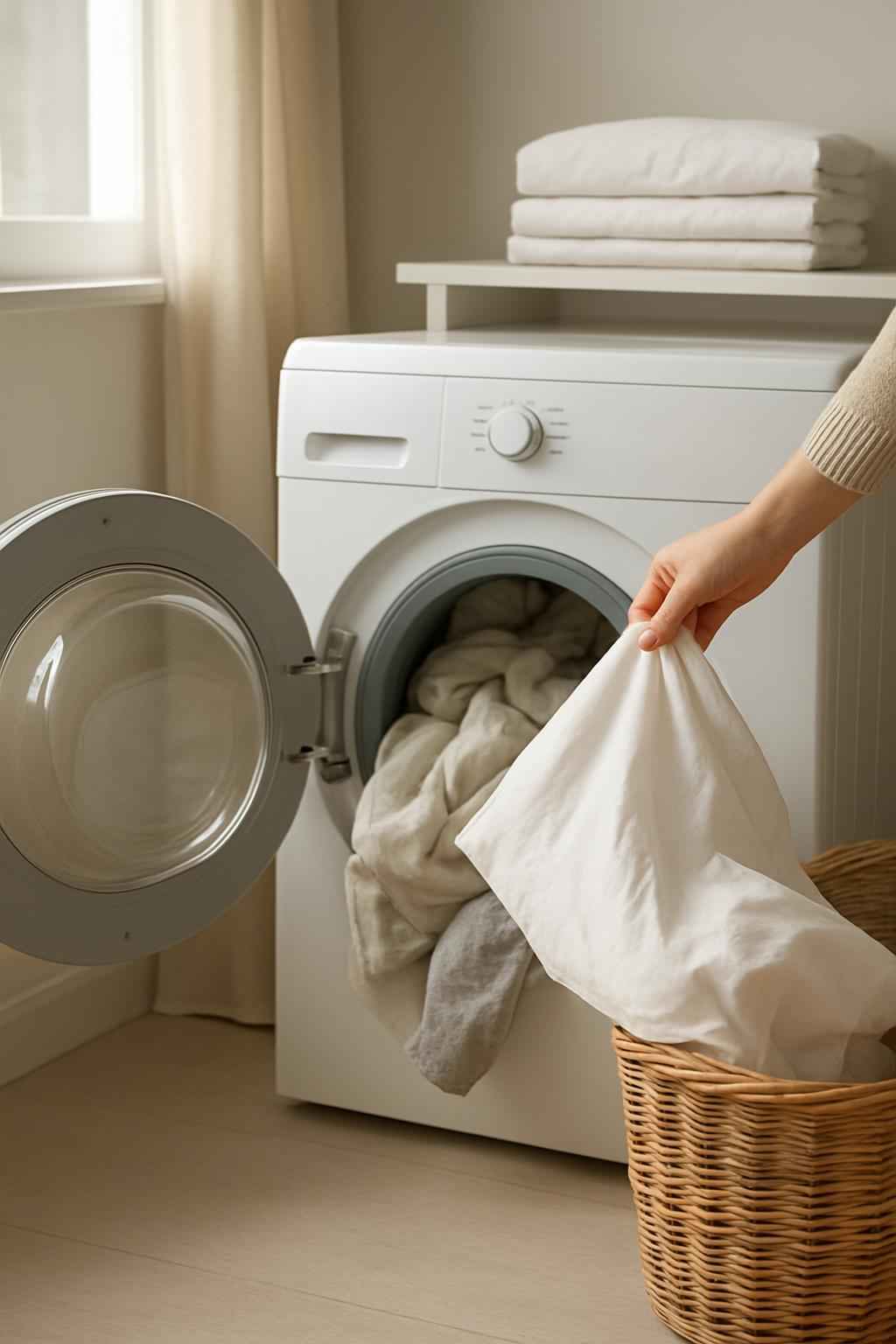
Make safe, consistent care part of your routine to preserve comfort and extend the life of your linens; a calm, practical approach—focused on safety, consistency, and everyday usability—turns sheet care into a manageable habit that keeps your bed feeling fresh and welcoming night after night.