Preventing Termite Trouble: Expert-Recommended Steps to Safeguard Your Home Before Damage Occurs
Termites are quiet, persistent pests that can eat away at the structure of your home long before you notice any surface signs, so prevention matters more than quick fixes. Because damage is often hidden in wood framing, crawl spaces, and other out-of-sight areas, a careful, methodical approach is needed to protect both your home and your family’s safety.
In this article you’ll find practical, expert-recommended steps to reduce risk before an infestation starts — from routine inspection and moisture control to thoughtful landscaping and barrier strategies — plus clear guidance on when a professional assessment is warranted. The advice is straightforward and safe to apply in a typical home-maintenance routine.
Key Points
- Perform regular inspections focusing on hidden areas and use gentle tools to detect early signs of termite activity without damaging surfaces.
- Keep structural wood dry by fixing leaks, improving ventilation, and avoiding moisture-trapping materials to reduce termite attraction.
- Modify landscaping to remove termite access points and use physical barriers or treatments, consulting professionals for active infestations.
Schedule regular inspections and spot checks
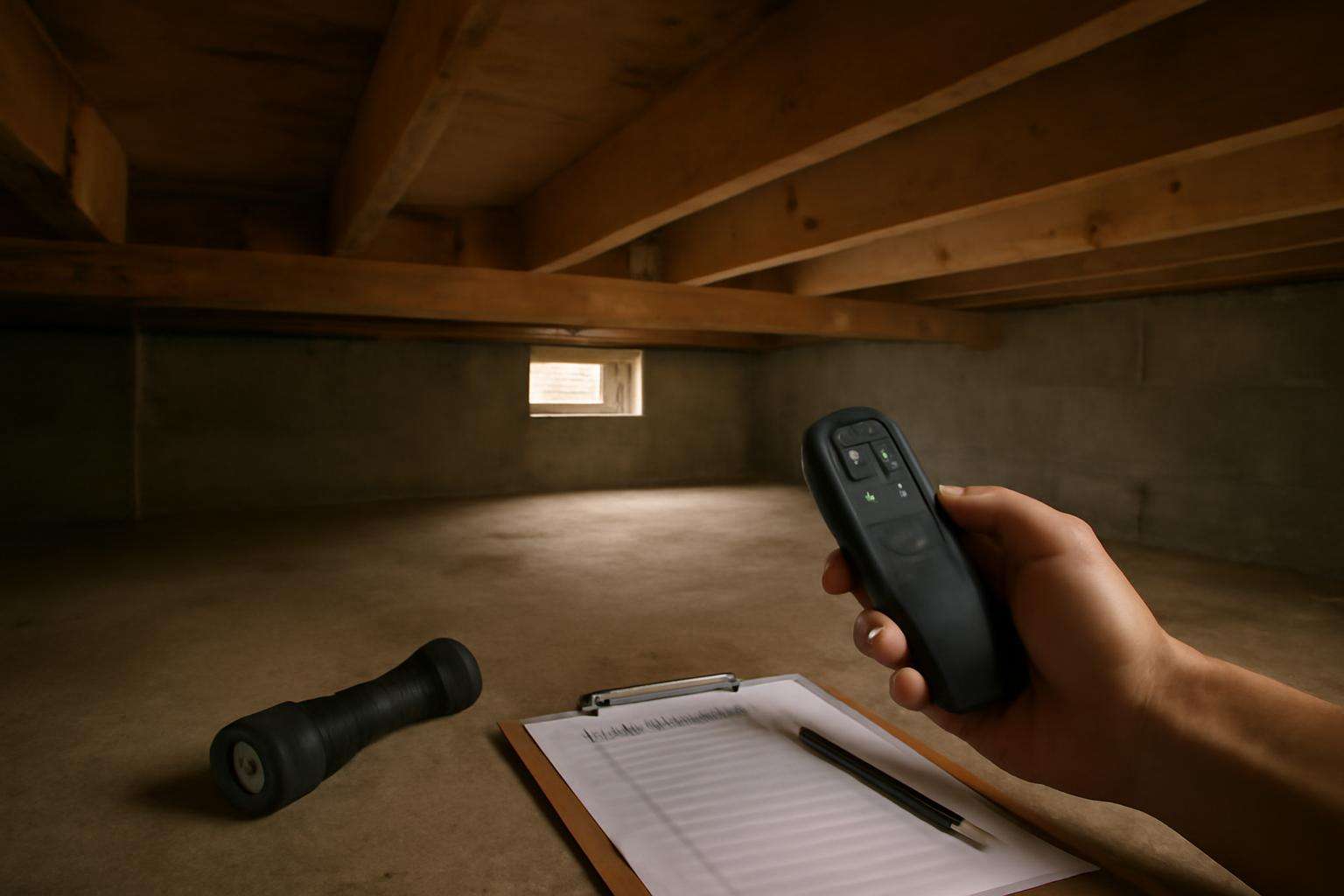
Perform seasonal inspections of crawl spaces, attics, basements and exterior foundations, looking for mud tubes, discarded wings, hollow-sounding wood and any wood-to-soil contact.
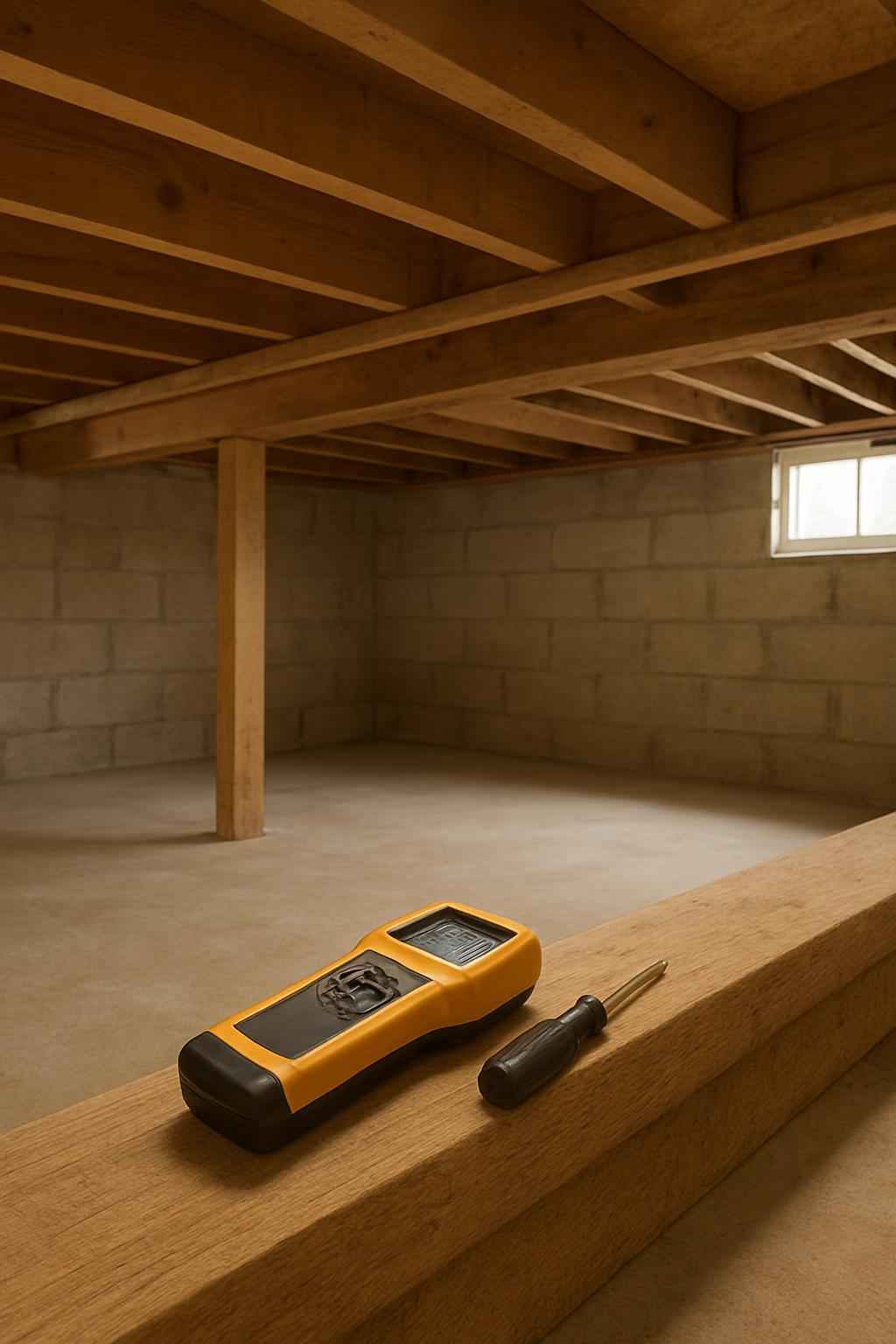
Early detection limits hidden damage, and when probing wood use a gentle screwdriver or moisture meter to avoid unnecessary scraping or gouging finishes.
Reduce moisture and improve ventilation
Fix leaks, clean gutters, extend downspouts, grade soil away from the foundation, install a vapor barrier and run a dehumidifier in crawl spaces to keep structural wood dry.
Termites favor damp wood, so lowering humidity removes attractive conditions, and avoid sealing over wet materials or using non-breathable coatings that can trap moisture and accelerate decay.
Modify landscaping and exterior wood practices
Keep mulch thin and at least 6–12 inches from the foundation, use gravel or hardscape near the house, remove or elevate woodpiles and trim vegetation so no branches touch siding or rooflines.
These adjustments eliminate bridges and moisture retention that let termites reach your home, and when storing firewood keep it well away from the house and off the ground to avoid creating a staging area for pests.
Use physical barriers, targeted treatments, and call a pro when needed
Consider physical barriers such as stainless-steel mesh or sand during construction, apply borate treatments to exposed framing, and leave soil-applied termiticides or baiting systems to licensed professionals.
Barriers and borate reduce infestation risk with minimal surface damage, and contact a licensed pest professional for active mud tubes, visible structural decay or swarms instead of attempting large-scale chemical treatments yourself.

Adopting a steady routine of attentive care—focused on your home’s most vulnerable areas—and relying on sensible, safe, practical habits pays dividends over time, keeping the structure sound and giving you quiet confidence in everyday use.